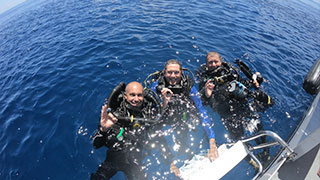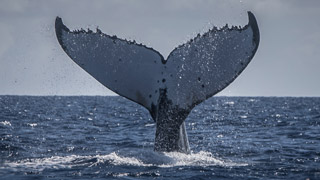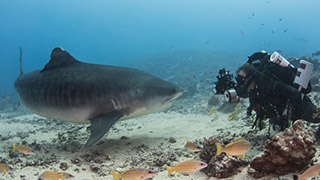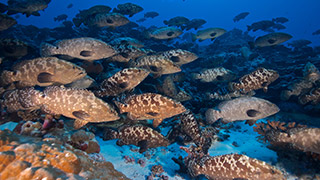

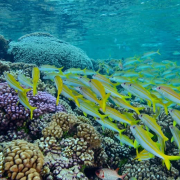
🌊 Big news from #UNOC: French Polynesia will designate its entire 4.5M km² Marine Managed Area as a marine protected area – one of the largest in the world.
This bold move includes strong protections, a ban on deep-sea mining, and support for sustainable fisheries, reflecting years of collaboration between local leaders, communities, and global partners like Conservation International and the Blue Nature Alliance.
As Conservation International CEO Dr. M. Sanjayan states: “This is a big deal – for French Polynesia and for the planet.”
Learn more:
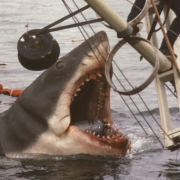
The iconic movie “Jaws” is celebrating its 50th anniversary this year. Here’s a look at how the film instilled a widespread fear of sharks into the public.
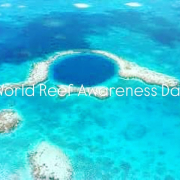
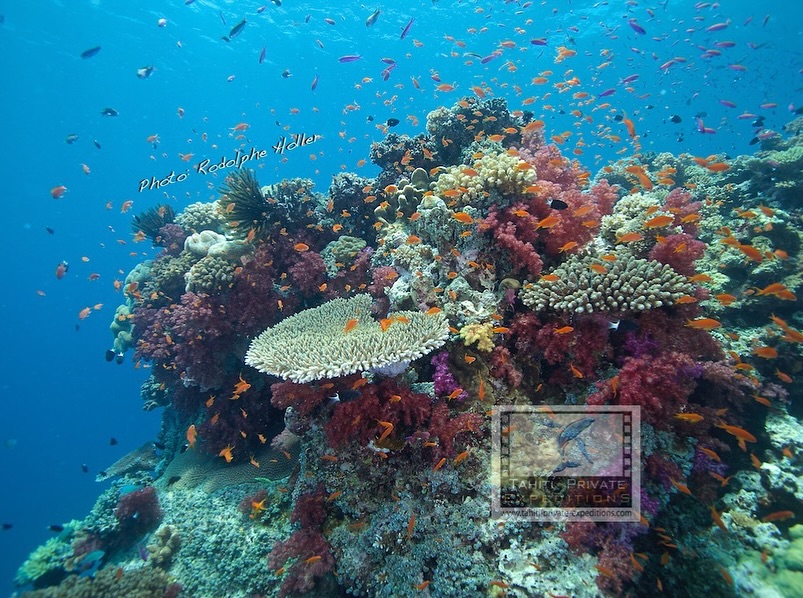
Coral reefs survived millions of years
Corals are ancient. Scientists believe they first appeared over 500 million years ago. These sea creatures began as simple, solitary organisms. Over time, they transformed into vast reef systems. Their history is marked by struggle and resilience.
Reef crisis needs urgent awareness
Today, coral reefs face a new kind of extinction. And this time, the threat is us. Since the 1980s, scientists have documented massive bleaching events. These happen when ocean temperatures rise. Corals lose the algae that give them color and life. If temperatures stay high, they die.
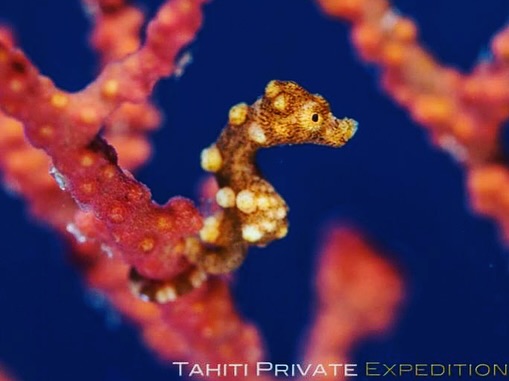
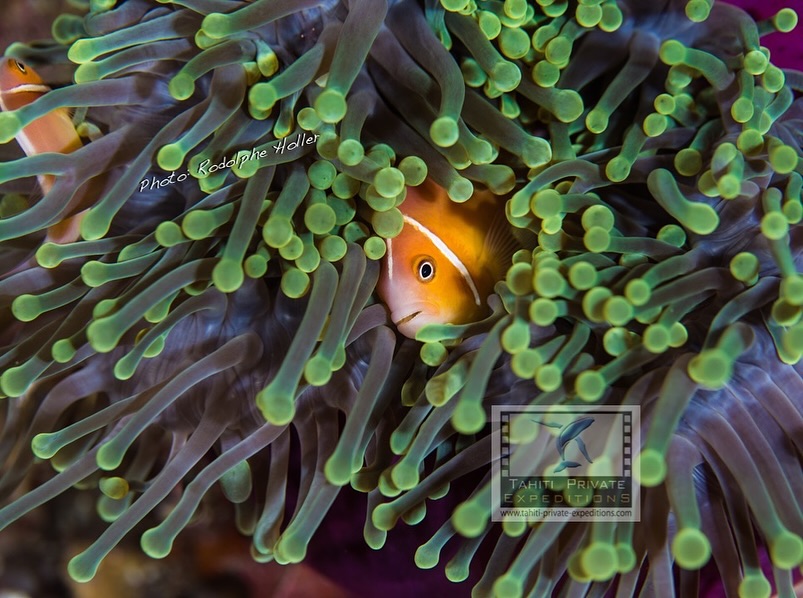
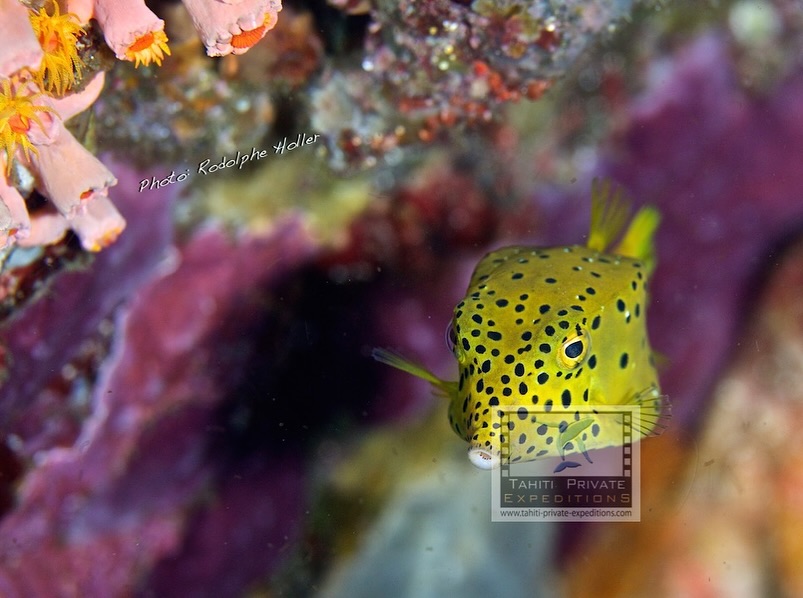
As the reefs suffer, marine life disappears with them. Fish, turtles, mollusks, and countless others rely on coral habitats. Without reefs, entire food chains collapse. And so does a major source of food and income for millions of people.
How coral reefs protect us
Reefs are not just pretty underwater structures. They are vital to life. Coral reefs act as natural barriers, shielding coastlines from storms and erosion. They also support fishing industries and feed over a billion people worldwide.
Coral reefs help more than sea life. They help people stay healthy too. Some reef creatures make chemicals that fight germs. These are now used in medicines for infections.
Reefs also help keep our oceans clear. They filter out particles and maintain water quality. Coral reefs do not survive in muddy or polluted water, so their presence indicates healthy oceans. When we protect reefs, we also preserve the balance of marine ecosystems.
Joining World Reef Awareness Day
World Reef Awareness Day is more than just information. It is about action. Simple efforts matter. You can start by organizing or joining a local beach cleanup. Trash on land often ends up in the ocean, harming marine life. Decreasing your use of plastics can be a first step as well. 😊 Any input even the smallest multiplied by millions makes a difference.
#worldreefawarenessday #lovenature #conservation #earth #coralreef #superyachtdiveexperts #tahitiprivateexp #tahitiprivateexpeditions
Photos @rodolpheholler